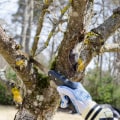
Trees are living structures, and how they are maintained determines not just how they look, but how they grow, age, and respond to stress. Two commonly confused practices—structural pruning and cosmetic trimming—serve very different purposes. While both involve removing branches, the intent, timing, and long-term impact of each could not be more distinct. Understanding this difference is essential for anyone responsible for tree health, property safety, or landscape longevity.
What Structural Pruning Really Means
Structural pruning focuses on the internal architecture of a tree. Its goal is to develop a strong framework that can support the tree as it matures. This involves selectively removing branches that compete with the main leader, create weak attachment angles, or contribute to imbalanced weight distribution. Structural pruning is typically done when trees are young, guiding growth before problems become permanent. By addressing issues early, arborists reduce the likelihood of branch failure, splitting, or collapse later in the tree’s life.
Long-Term Benefits Over Immediate Appearance
Unlike trimming for appearance, structural pruning may not deliver immediate visual appeal. In fact, it can make a tree look less full in the short term. However, the long-term benefits are substantial. Trees that are structurally pruned develop stronger branch unions, better load distribution, and improved wind resistance. Over time, this translates into fewer broken limbs, less storm damage, and reduced maintenance needs. Structural pruning is an investment in future stability rather than instant aesthetics.
Cosmetic Trimming and Visual Control
Cosmetic trimming, on the other hand, is primarily about appearance and clearance. It focuses on shaping the canopy, removing overgrowth, and maintaining symmetry. This type of trimming is often done to enhance curb appeal, improve sightlines, or prevent branches from interfering with buildings and walkways. While cosmetic trimming can make a tree look neat and well-kept, it does not necessarily address underlying structural weaknesses.
The Risks of Trimming Without Structure in Mind
Problems arise when cosmetic trimming is performed without regard for tree structure. Topping, over-thinning, or indiscriminate branch removal can create weak regrowth, unbalanced canopies, and increased stress. These practices may temporarily satisfy aesthetic goals but leave trees more vulnerable to failure. After severe weather, improperly trimmed trees are more likely to lose large limbs or uproot entirely, contributing to scenarios that require emergency response or storm cleanup in Marion, NC and similar regions prone to heavy winds and rain.
Timing and Technique Matter
Structural pruning is typically done during specific growth stages and seasons to minimize stress and promote healthy development. Cosmetic trimming is often scheduled around visual needs or property maintenance cycles. The tools may be the same, but the techniques differ significantly. Structural cuts are deliberate and sparing, while cosmetic trimming often involves more frequent, surface-level adjustments. Confusing the two can undermine the effectiveness of both.
Tree Health Versus Landscape Control
At its core, the difference between structural pruning and cosmetic trimming reflects a broader distinction between tree health and landscape control. Structural pruning treats the tree as a living system with mechanical and biological needs. Cosmetic trimming treats the tree as a design element within a larger visual plan. Both have their place, but they should not be used interchangeably. When cosmetic goals override structural considerations, trees pay the price over time.
Why the Distinction Matters More Than Ever
As weather patterns grow more extreme and urban landscapes become denser, the consequences of poor pruning decisions increase. Trees with sound structure are better equipped to withstand storms, reducing risk to property and people. Those shaped only for appearance often fail when stressed. Recognizing the difference between structural pruning and cosmetic trimming allows property owners and managers to make informed decisions that balance beauty with resilience.
Building Trees That Last
Healthy, resilient trees don’t happen by accident. They are shaped intentionally through practices that respect both form and function. Structural pruning builds the foundation, while cosmetic trimming refines the presentation. When each is applied appropriately, trees can thrive safely and beautifully for decades. Understanding when to prioritize structure over appearance is the key to responsible tree care and long-term landscape success.