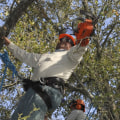
Trees are among the most valuable features of any residential or commercial property, offering shade, beauty, improved air quality, and enhanced curb appeal. Mature trees can significantly increase a property's character while creating comfortable outdoor spaces for homeowners, employees, and visitors. However, without regular maintenance, even healthy trees can become a source of structural problems. Overgrown branches, dense canopies, and unmanaged growth may gradually place nearby buildings and outdoor structures at risk. Tree trimming is often associated with improving appearance, but it also serves as an important preventive maintenance practice that helps protect roofs, foundations, fences, patios, and other structural components from avoidable damage. Maintaining healthy trees is an investment not only in the landscape but also in the long-term stability of the entire property.
Reducing the Risk of Storm Damage
One of the greatest threats posed by neglected trees occurs during severe weather. Heavy branches weakened by age, disease, or previous storm damage are more likely to break during high winds, heavy rain, or snow accumulation. Falling limbs can puncture roofing materials, damage gutters, crack windows, and destroy decks, pergolas, fences, or vehicles parked nearby. In more severe cases, entire trees may fail and cause significant structural damage to homes or commercial buildings. Routine tree trimming removes dead, damaged, or unstable branches before they become hazards, reducing the likelihood of storm-related structural repairs. Proper pruning also improves the overall balance of the tree, allowing wind to move more freely through the canopy and decreasing the stress placed on major limbs during severe weather.
Protecting Building Exteriors
Branches that extend too close to buildings can create problems even when storms are not present. Limbs rubbing against roofing materials may gradually wear away protective surfaces, while branches brushing against siding or windows can cause scratches and other damage over time. Dense vegetation positioned close to exterior walls may also restrict airflow and trap moisture, increasing the potential for mold growth, wood deterioration, and premature aging of exterior finishes. Regular tree trimming creates appropriate clearance between trees and structures, helping protect roofing systems, exterior walls, windows, and gutters from unnecessary wear. Companies such as Open Concept Engineering recognize that thoughtful property maintenance includes considering how landscaping and structural performance influence one another over the long term.
Supporting Stable Site Conditions
Although trimming primarily focuses on the canopy, it also contributes to broader landscape management that benefits structural stability. Healthy trees are easier to monitor for signs of disease, instability, or excessive growth that could eventually affect nearby structures. Routine inspections during trimming services allow property owners to identify concerns such as damaged limbs, leaning trunks, root exposure, or declining tree health before they become serious hazards. Well-maintained trees also allow better sunlight penetration and improved airflow, creating healthier conditions around buildings and reducing moisture accumulation that can contribute to structural deterioration. Combined with proper drainage and ongoing landscape care, tree trimming supports a safer and more stable property environment.
Preventing Expensive Repairs Through Preventive Maintenance
Structural repairs resulting from neglected trees can be both costly and disruptive. Roof replacements, foundation repairs, damaged fences, cracked driveways, and emergency tree removal often require significant financial investment and may interrupt daily activities. Regular tree trimming is a proactive approach that addresses potential hazards before they result in property damage. Preventive pruning, combined with routine tree inspections, helps identify developing problems early and allows corrective action to be taken while maintenance costs remain relatively low. Investing in scheduled tree care often proves far more economical than responding to structural repairs after damage has already occurred.
A Smart Investment in Long-Term Property Protection
Tree trimming is about much more than maintaining an attractive landscape. It plays a meaningful role in protecting buildings, outdoor structures, and property infrastructure from avoidable damage caused by overgrown or unhealthy trees. By reducing storm hazards, preserving building exteriors, supporting healthier site conditions, and encouraging early detection of potential risks, regular tree maintenance helps safeguard both the landscape and the structural integrity of the property. When incorporated into a comprehensive property maintenance plan, tree trimming contributes to safer environments, lower repair costs, and longer-lasting buildings. This proactive approach allows homeowners and property managers to preserve the beauty of mature trees while protecting the valuable structures that surround them for many years to come.